Restoring Damaged Teeth with Dental Crowns and Bridges in Front Royal
If you have a tooth that's cracked, weakened, or missing, you're probably wondering what your options are. Maybe it's been bothering you for a while, or maybe something happened recently and you just want to understand what comes next. Either way, I want to walk you through what crowns and bridges are, how they work, and what getting one actually feels like at our office.
There's no pressure here. Just information, so you can make the decision that feels right for you.
What Is a Dental Crown, and When Do You Need One?
A crown is a cap that fits over a damaged tooth. It covers the entire visible part of the tooth and holds it together so it can keep doing its job — helping you chew, speak, and feel comfortable.
We typically recommend a crown when a tooth has a large crack, a big cavity that can't be fixed with a filling, or when it's been treated with a root canal and needs protection afterward. A weakened tooth can fracture unexpectedly, and a crown helps prevent that.
Crowns are made from different materials — porcelain, ceramic, and metal alloys are the most common. For most front teeth, we use tooth-colored materials that blend in naturally with your smile. Back teeth often do well with something stronger. We'll talk through the options together so you understand what makes sense for your situation.
How Long Do Crowns Last?
A well-made crown can last many years with good home care and regular dental visits. There's no single answer that applies to everyone — it depends on how you care for the tooth, where the crown is in your mouth, and a few other factors. We'll give you clear guidance on how to take care of it so it holds up as long as possible.
What Is a Dental Bridge, and How Is It Different?
A bridge is how we replace a missing tooth, or sometimes two, without an implant. It works by anchoring an artificial tooth (called a pontic) to the healthy teeth on either side of the gap. Those neighboring teeth are fitted with crowns that hold everything in place.
Bridges are a long-lasting solution that many patients do very well with, especially when the teeth next to the gap are already strong and healthy. The result looks natural and restores the function of having a full set of teeth.
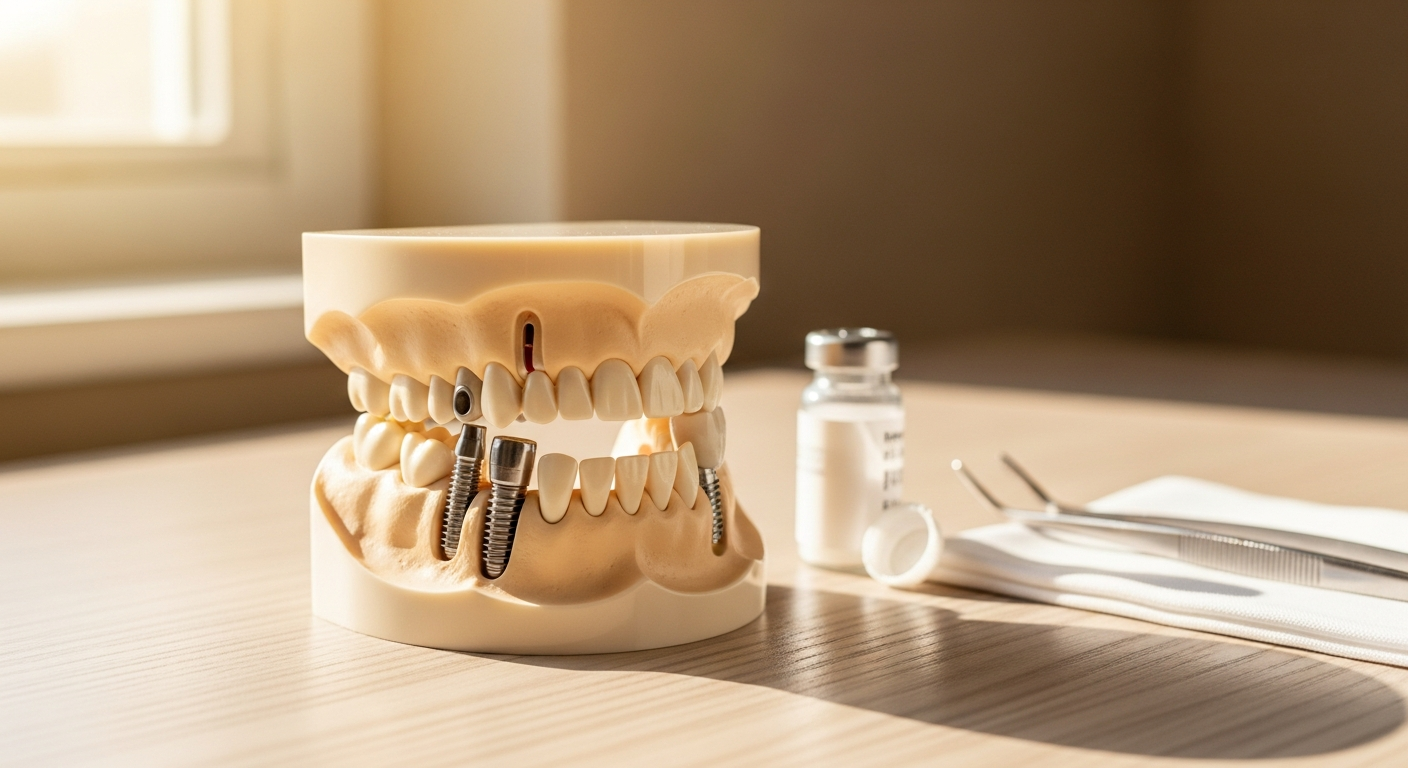
That said, bridges aren't the only option for replacing a missing tooth. Dental implants are another approach worth knowing about — they replace the tooth root itself and don't rely on adjacent teeth for support. Some patients prefer implants, and some prefer bridges. We'll talk through both so you can decide what fits your goals and your life.
What If I Have Multiple Missing Teeth?
If you're missing several teeth, there are still good options available. A bridge can sometimes span more than one missing tooth, depending on the situation. For patients missing most or all of their teeth, there are other solutions like implant-supported restorations. If that's something you'd like to explore, I'm happy to walk you through those options too.
What to Expect During Crown or Bridge Treatment
I know some people feel a little anxious about dental work, and I want to be honest with you about what the process looks like. Most crown and bridge treatment takes two visits, though that can vary.
First visit: We prepare the tooth, take impressions or digital scans, and place a temporary crown so you're comfortable while the permanent one is being made. We use local anesthetic, and we go at whatever pace feels okay for you.
Second visit: We check the fit, make any small adjustments, and cement the final crown or bridge in place. Most patients are surprised by how straightforward it is.
You're always in control during the appointment. If you need a break, just say so. We take it step by step, and we don't rush.
Taking Care of Your Crown or Bridge
Once your crown or bridge is in place, taking care of it is a lot like caring for your natural teeth. Brushing twice a day and flossing daily go a long way. With a bridge specifically, there's a special kind of floss threader that helps you clean underneath the artificial tooth — we'll show you exactly how to use it.
Coming in for regular checkups helps us catch anything early and keep your restoration in good shape for the long run.
Frequently Asked Questions
Does getting a crown hurt? The area is numbed before we start, so most patients find the procedure much more comfortable than they expected. Some tenderness afterward is normal and typically settles within a day or two. We're always here if you have concerns after your visit.
How do I know if I need a crown or a filling? It depends on how much of the tooth is damaged. A filling works well for smaller cavities. When more of the tooth structure is affected — or if the tooth has cracked — a crown usually provides better protection. We'll take a look and explain what we see clearly.
Is a bridge or an implant better for a missing tooth? Both can work well, and the right choice depends on your specific situation. Implants are often a great long-term option, but they require a surgical procedure and enough bone to support them. Bridges are a good alternative and don't require surgery. We'll talk through the pros and cons of each during your visit.
What if I've been putting off treatment for a while? That's completely okay. We see patients all the time who haven't been in for a few years, and there's no judgment here. What matters is that you're here now, and we'll figure out the best path forward together.
If you have questions about crowns, bridges, or restoring a tooth that's been bothering you, we're here to help. You can reach us at Front Royal Dental Group, and we're happy to talk through your options before you ever commit to anything.
More from Our Blog
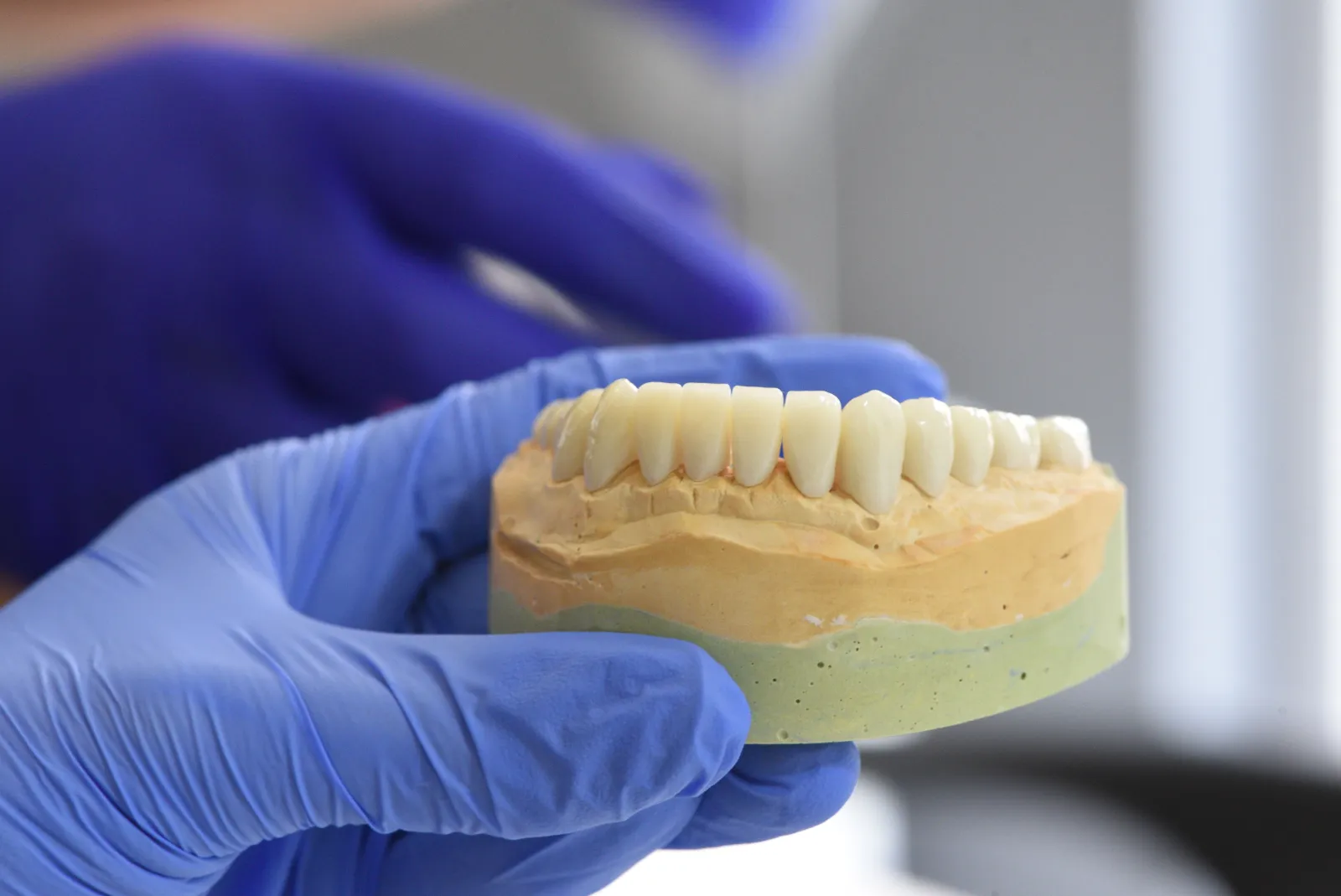
Do Veneers Ruin Your Natural Teeth?
No, but porcelain veneers are a real commitment. Most need a thin layer of enamel removed, and enamel does not grow back, so that tooth will always need a covering. Whether the preparation stays in enamel changes how well the veneer holds.
Read more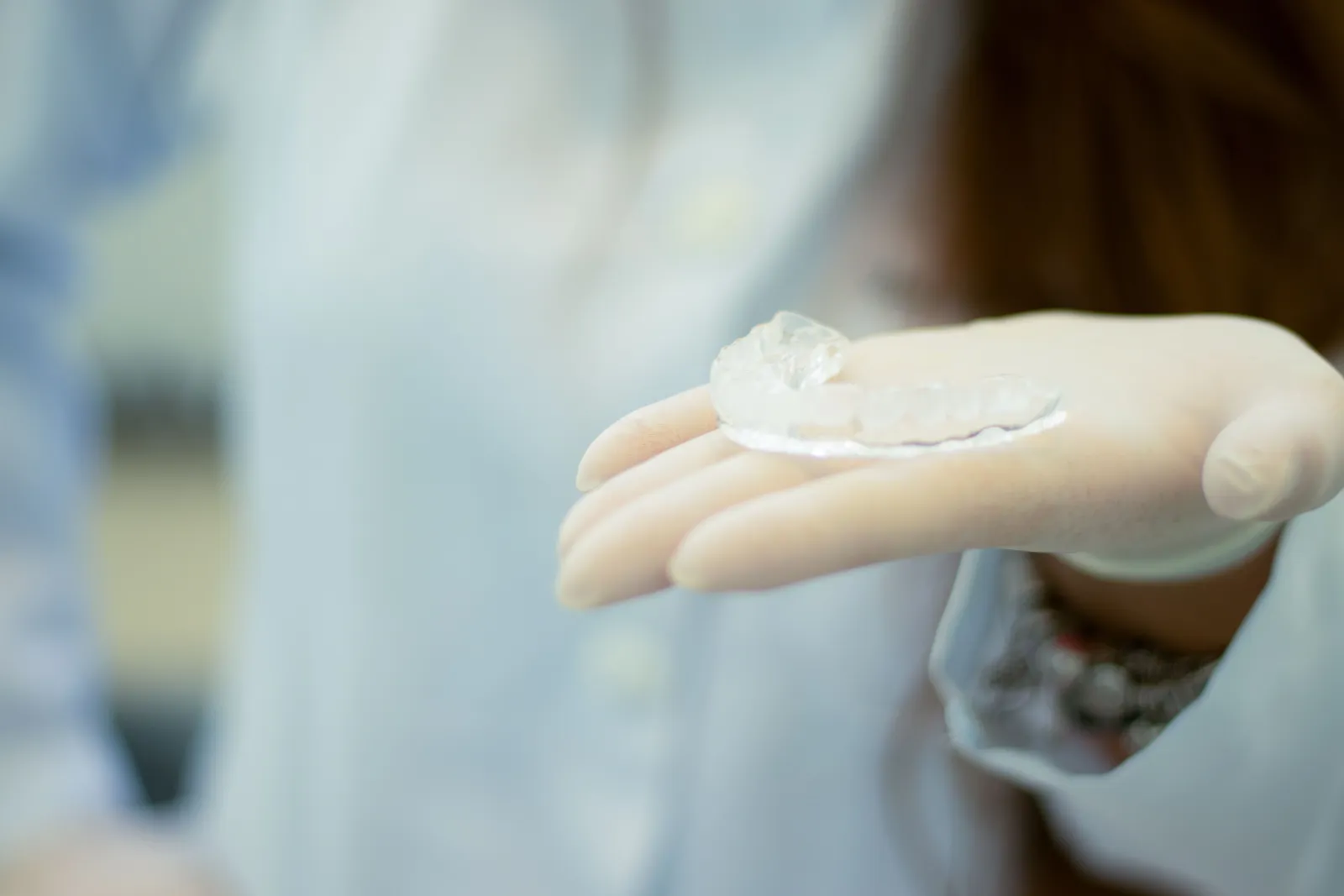
Custom Night Guard or Drugstore Guard: What the Difference Is Worth
A boil-and-bite guard is soft and only roughly shaped to your teeth, so it can shift and, in some people, make the jaw muscles work harder. A custom guard can be made hard and fitted to your bite, which spreads the force of grinding evenly and keeps the guard in place.
Read more
Why Dentures Get Loose Over Time, and What Actually Fixes It
Dentures get loose because the jawbone under them keeps shrinking once the tooth roots are gone, while the denture stays the same shape. A reline or a new denture refits it to the bone you have now; implants put load back into the bone and hold the denture in place.
Read more