What Your Dental Insurance Actually Covers
Almost every confusing dental bill comes from the same two features of dental insurance. Once you understand them, your plan stops being mysterious.
Most people have never read their dental plan. That is reasonable. It is written for benefits administrators, not for patients. But two ideas inside it explain the overwhelming majority of the surprises, and both are simple.
Dental plans sort procedures into three tiers
Your plan does not cover procedures individually. It sorts them into categories, and each category has its own coverage percentage. The names vary slightly between carriers, but the structure is nearly universal.
Preventive. Exams, cleanings, x-rays, fluoride. Most plans cover these at or near 100 percent, often without touching your deductible.
Basic. Fillings, simple extractions, and in many plans root canals and gum treatment. Typically covered around 80 percent.
Major. Crowns, bridges, dentures, implants where they are covered at all. Typically covered around 50 percent.
Notice what this structure rewards. The cheapest care is covered most generously, and the expensive care is covered least. That is not an accident. Insurers price plans knowing that a patient who comes twice a year for cleanings is far less likely to need a crown later. The tier structure is an incentive, and it is one worth taking.
The practical consequence is worth stating plainly. Preventive visits are the part of your plan you have already paid for. Skipping them does not save money. It forfeits money you have spent, and it raises the odds of needing the tier that pays worst.
The annual maximum is a ceiling, not a budget
The second feature causes more frustration than any other.
Your annual maximum is the most your plan will pay toward your care in a plan year. For a typical dental plan it sits somewhere around one to two thousand dollars. It has barely moved in decades, while the cost of care has not stood still.
Two details about it matter.
It resets, and unused benefit does not carry over. If your plan year ends on December 31 and you have used four hundred dollars of a fifteen hundred dollar maximum, the remaining eleven hundred disappears. It does not roll into next year. It is simply gone.
It applies to what the plan pays, not what you are billed. People often assume a two thousand dollar maximum covers two thousand dollars of treatment. On major work covered at 50 percent, it stretches roughly twice that far. On preventive care it barely gets touched at all.
There is a planning opportunity hiding in this. If you need a significant amount of work and you are approaching your maximum, splitting treatment across two plan years can mean two maximums instead of one. That is only appropriate when the delay is clinically safe. An infection does not wait for your benefit year, and no honest practice will ask it to.
In network and out of network are about a price list
This term causes as much confusion as the annual maximum, and the underlying idea is simpler than it sounds.
A practice that is in network with your carrier has signed an agreement to accept that carrier's fee schedule. The carrier publishes a set price for each procedure, and the practice agrees to charge no more than that price for patients on the plan.
The consequence is the part worth knowing. If your plan covers a filling at 80 percent, that 80 percent is calculated against the negotiated fee, not against whatever a practice would otherwise charge. At an in network practice, the remaining 20 percent is your whole responsibility and there is nothing else to pay.
Out of network works differently. The carrier still pays its share, but it calculates that share against its own allowed amount rather than the practice's actual fee. If the practice charges more than the allowed amount, the difference lands on you on top of your coinsurance. That gap is where most unexpectedly large bills come from.
This is why "do you take my insurance" and "are you in network with my plan" are two different questions. Many practices will happily bill any carrier. Fewer have a contract with yours. Ask the second question.
Two other terms worth knowing
Waiting periods. Some plans will not cover major work for six or twelve months after enrollment. If you recently changed jobs or plans, check this before you schedule a crown.
Frequency limits. Plans cap how often they pay for certain things. Two cleanings a year is typical. Some patients with gum disease genuinely need three or four, which means part of that care falls outside the plan. That is a real cost, and you deserve to hear about it in advance rather than on a statement.
What we do about it
We are in network with a long list of PPO carriers, including Aetna, Anthem, CareFirst, Cigna, Delta Dental, Guardian, Humana, MetLife, United Concordia and United Healthcare, among others. We also accept Virginia Medicaid through DentaQuest.
We do not ask you to work any of this out yourself. Before treatment, we verify your plan and give you the numbers. What your plan is expected to pay, what is left for you, and what it would cost if you chose to wait.
One caution that applies to every practice, including ours. Coverage varies by plan, not just by carrier. Two patients can both hand us a Delta Dental card and have genuinely different benefits. That is why we verify your specific plan rather than quoting from the carrier name.
You can see the full carrier list and how we handle payment on our insurance and financing page.
The one thing worth doing this week
Find out two numbers: your annual maximum, and how much of it you have used this year.
If you have benefit left and treatment you have been postponing, you are holding money that expires. If you have no idea where to start, call us at (540) 636-2003 and we will look it up with you.
Ready to get started? Schedule a visit with Front Royal Dental Group, or call (540) 636-2003.
More from Our Blog
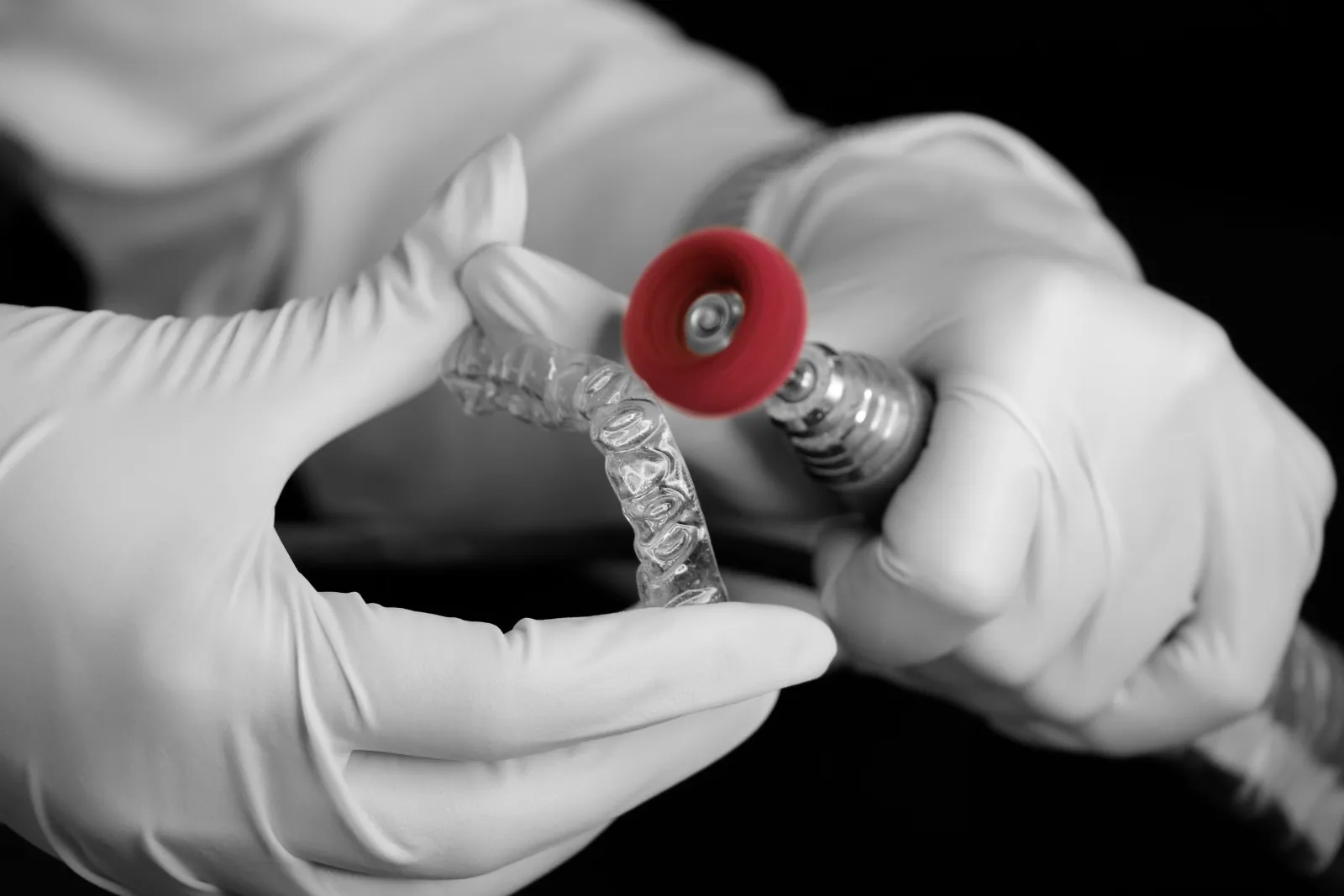
Your Teeth Moved After Braces. Can Clear Aligners Fix It?
Teeth shift after braces because the gum fibers around them pull back, the arch keeps shortening in adulthood, and retainers stop being worn. Clear aligners can move a mild shift back, and a long-term retainer is what stops it happening again.
Read more
Abscessed Tooth: What It Is and What to Do Today
An abscessed tooth is a pocket of pus at the tip of a root, sealed inside bone. It will not clear on its own, antibiotics alone leave the source in place, and a few signs mean the emergency room today.
Read more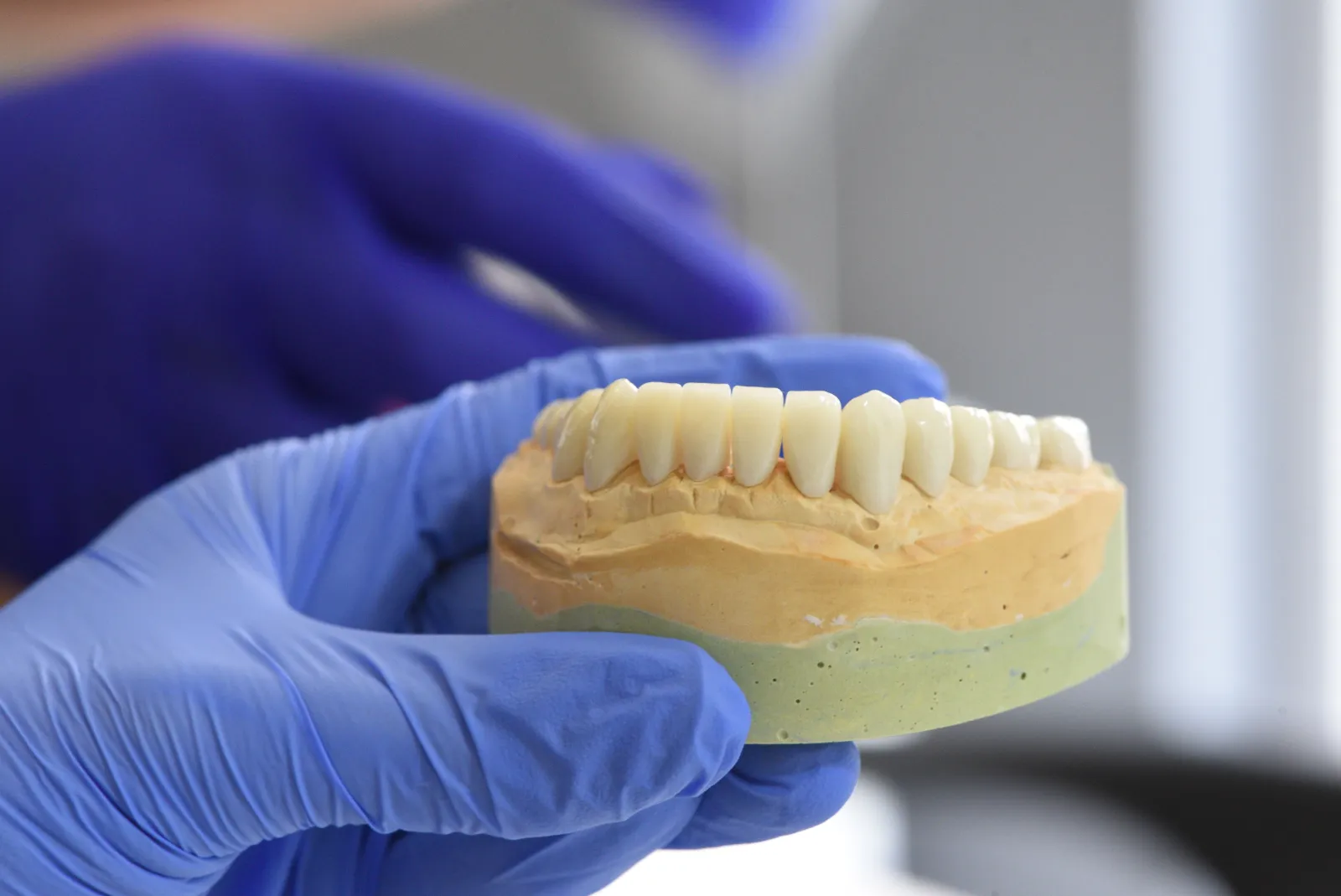
Do Veneers Ruin Your Natural Teeth?
No, but porcelain veneers are a real commitment. Most need a thin layer of enamel removed, and enamel does not grow back, so that tooth will always need a covering. Whether the preparation stays in enamel changes how well the veneer holds.
Read more