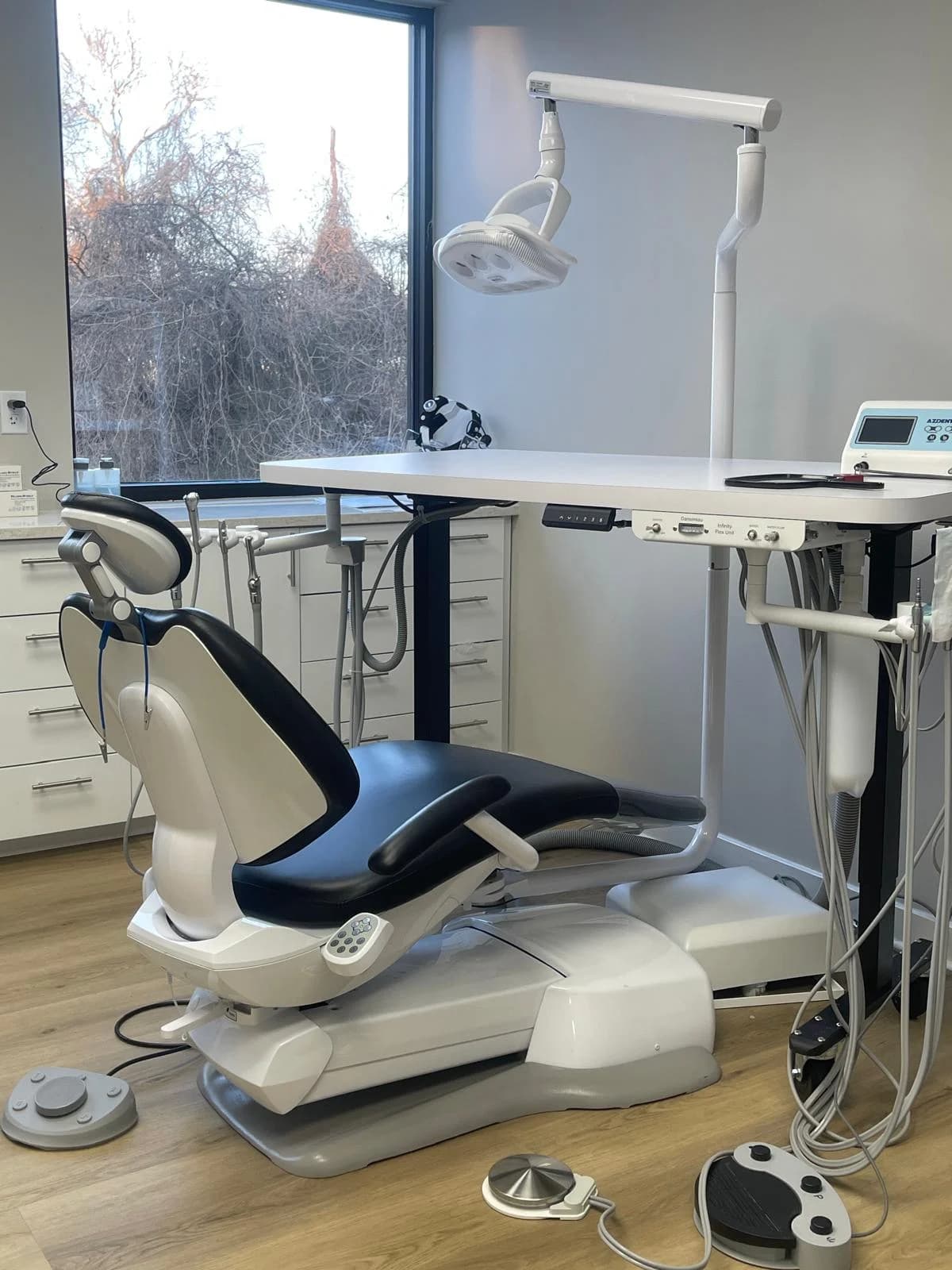
Dental Bonding in Front Royal VA: Fixing Chips and Gaps in a Single Visit
If you have a small chip on a front tooth or a gap that's always bothered you a little, dental bonding might be a simpler fix than you'd expect. Many of my patients in Front Royal are surprised when I tell them we can often take care of these things in a single visit. No drills humming for hours, no waiting weeks for something to come back from a lab. You walk in, we talk it through, and in most cases you leave the same day feeling good about your smile.
Let me walk you through how it works and whether it might be a good fit for you.
What Is Dental Bonding?
Dental bonding is a treatment where we apply a tooth-colored material to your tooth and shape it to match the rest of your smile. We use a soft, putty-like resin, mold it carefully, and then harden it with a special light. Once it sets, we polish it so it blends in naturally.
It's one of the gentlest cosmetic options we offer. There's usually very little, if any, removal of your natural tooth. That's part of what makes it feel so easy for patients who feel nervous about bigger procedures.
The material can be matched to the shade of your own teeth, so the goal is a natural-looking result that doesn't draw attention.
What Bonding Can Fix
Bonding is wonderfully flexible. Here are some of the most common reasons patients come in asking about it.
Chipped or Cracked Teeth
A small chip from biting into something hard or a little crack along an edge can often be smoothed and rebuilt with bonding. We shape the resin to restore the natural form of the tooth, and once it's polished, most people can't tell where the chip used to be.
Gaps Between Teeth
If you have a small space between two teeth that you'd rather not have, bonding can sometimes close it by gently widening the teeth on either side. For larger gaps or spacing across several teeth, clear aligners may be a better path, and we're happy to compare both options with you.
Discoloration and Small Shape Changes
Bonding can also cover a stubborn stain that doesn't respond to whitening, or reshape a tooth that looks a little shorter or more pointed than its neighbors. These small adjustments can make a real difference in how your smile feels to you.
What to Expect During Your Visit
I always want patients to know what's coming, so here's the general flow.
First, we talk. You tell me what's bothering you, and we look at it together. I'll explain what bonding can do and where it might have limits, so you can make the choice that feels right. You're in control the whole way.
Then we get to work. We prepare the surface of the tooth, apply the resin, and shape it carefully. The light hardens it in moments. After that, we polish and check how it feels when you bite down. If anything feels off, we adjust it right there.
The whole appointment is comfort-focused, and we can pause any time you need a break. Most people are surprised by how relaxed it feels.
How Bonding Compares to Other Options
Bonding is a great fit for smaller corrections, and it typically costs less per tooth than porcelain work in cosmetic dentistry because there's no outside lab step — the resin is shaped and finished in the chair. It's quick, gentle, and doesn't require much preparation.
That said, it isn't right for everything. The resin is durable, but it isn't as strong as some other materials and can chip or stain over time, especially with coffee, tea, or red wine. For larger restorations or teeth that take a lot of biting force, we may suggest something sturdier. We'll go over the trade-offs together so you understand your options without feeling rushed.
Caring for Your Bonded Teeth
Bonded teeth are easy to care for. You brush and floss them just like your natural teeth. A few small habits help the work last longer.
Try not to bite down on hard things like ice or pen caps, since the resin can chip. Cutting back on staining drinks, or rinsing with water after them, helps keep the color steady. Regular cleanings let us check the bonding and touch it up if needed.
With good care, bonding can stay looking nice for years. Individual results vary, of course, and we'll keep an eye on it at your checkups.
A Word for Nervous Patients
If it's been a while since you've seen a dentist, or if dental visits make you tense, you're not alone. Many people feel that way, and a smaller treatment like bonding is often a comfortable place to start. There's no judgment here, wherever you're starting from.
What I love most about this work is seeing someone smile wide afterward and feel a little more like themselves. That's the part that means the most to me.
Frequently Asked Questions
Does dental bonding hurt?
For most people, bonding involves little or no discomfort, since we usually aren't removing much tooth structure. Anesthesia often isn't needed at all. If you ever feel uneasy, just tell us and we'll pause.
How long does dental bonding last?
Bonding is durable and can last for years with good care, though it isn't as long-lasting as some other materials. Habits like avoiding hard foods and staining drinks help. We'll check it at your regular visits and refresh it when needed.
Will the bonded tooth match my other teeth?
Yes, the resin comes in many shades, and we choose one to blend with your natural teeth. Once it's shaped and polished, the goal is a natural-looking result. We'll check the match in good light before you leave.
Can bonding be removed or changed later?
Because bonding usually preserves most of your natural tooth, it leaves room to choose a different option down the road if your needs change. If you ever want to explore something else, we can talk through it together.
If you've been thinking about fixing a chip or gap, there's no rush. When you're ready to explore your options, give our Front Royal office a call and we'll find what fits you best.
More from Our Blog

Abscessed Tooth: What It Is and What to Do Today
An abscessed tooth is a pocket of pus at the tip of a root, sealed inside bone. It will not clear on its own, antibiotics alone leave the source in place, and a few signs mean the emergency room today.
Read more
Do Veneers Ruin Your Natural Teeth?
No, but porcelain veneers are a real commitment. Most need a thin layer of enamel removed, and enamel does not grow back, so that tooth will always need a covering. Whether the preparation stays in enamel changes how well the veneer holds.
Read more
Custom Night Guard or Drugstore Guard: What the Difference Is Worth
A boil-and-bite guard is soft and only roughly shaped to your teeth, so it can shift and, in some people, make the jaw muscles work harder. A custom guard can be made hard and fitted to your bite, which spreads the force of grinding evenly and keeps the guard in place.
Read more