What started as a dull ache in one tooth now throbs and hurts when you bite, and the gum beside it may be swollen. Those are signs of an abscessed tooth: a pocket of infection at the tip of a root, which will not clear on its own.
What is an abscessed tooth?
Inside every tooth is the pulp, a soft core of nerve and blood vessels running down a narrow channel in each root. Decay, a crack or an old knock can let bacteria reach it, and our post on how cavities form traces the decay route.
The pulp sits inside hard walls, and its blood supply enters through a tiny opening at the tip of each root. When infection makes the pulp swell, it has no room to expand, so the swelling squeezes those small vessels shut and the pulp dies.
Dead pulp has no blood flow, so your body's defenses cannot get inside to clear it. Bacteria keep growing in the channel and leak through the root tip into the jawbone, where your body walls them off and pus collects. That pocket of pus is the abscess.
A second kind, a gum abscess, can start beside the tooth when gum disease is the cause. Treatment then includes cleaning out the space between the tooth and the gum (ADA MouthHealthy). This post covers the kind that starts inside the tooth.
Why does it throb, and why can the pain suddenly stop?
The pus sits inside bone, which cannot stretch, so as the pocket fills, pressure builds against tissue packed with nerve endings. That pressure is why the pain throbs, and why biting hurts: each bite pushes the tooth down into the pocket.
For some people the pain then stops, for one of two common reasons, and neither one means the infection has gone.
The nerve died: a tooth can hurt badly while the pulp is inflamed but still alive. Once the nerve dies, that pain can stop, but the bacteria in the channel carry on and the abscess keeps growing. The American Association of Endodontists notes that the infection around the root may or may not be painful.
The pus found a way out: it can tunnel through the bone and drain through a bump on the gum, called a gum boil. The pressure drops and the pain eases, but the source is still inside the tooth, so the pocket keeps refilling (Mayo Clinic).
What happens if you leave an abscess alone?
The infection can spread into the bone that supports the tooth, and the tooth can be lost. It can also spread into the soft tissue around it and into the blood (MedlinePlus). That National Library of Medicine page says an untreated abscess can lead to life-threatening complications. It also says prompt treatment clears the infection in most cases, and the tooth can often be saved.
When should you go to the emergency room for an abscessed tooth?
Call 911 or go to the nearest emergency room if you have an abscess and any of these signs. The NHS lists them for emergency care, so do not wait for a dental office to open.
- It is hard to breathe, swallow or speak
- Your eye is swollen or painful, or your eyesight suddenly changes
- You have a lot of swelling in your mouth
- It is hard to open your mouth
The Mayo Clinic adds one more: a fever with swelling in your face when you cannot reach a dentist. These signs may mean the infection has spread deeper, into the jaw, throat or neck, where swelling can press on your airway.
Once the hospital has dealt with the swelling, call us for the dental follow-up, because the source is still inside the tooth. Our emergency page covers other dental emergencies.
If you have pain or some swelling but none of those signs, call us at (540) 636-2003. We handle dental emergencies during business hours, Monday to Friday, 9:00 AM to 5:00 PM. We will ask what is happening, tell you what to do for now, and see you as soon as the schedule allows.
Will antibiotics clear up an abscessed tooth?
Not by themselves, because antibiotics travel through the blood and the bacteria behind the abscess live in a dead channel with no blood flow. A course of pills can calm the infection around the root, but when it ends, the bacteria inside the tooth are still there.
The American Dental Association reviewed the evidence in its 2019 guideline on antibiotics for dental pain and swelling. For adults whose immune system works normally, with an abscess but no fever or general unwell feeling, its panel recommended against antibiotics. It recommended treating the tooth instead, with a root canal or by draining the abscess.
It advised antibiotics when fever or a general unwell feeling shows the infection has spread, and then alongside treating the tooth. In the full guideline, the panel judged the benefit of antibiotics in most cases as likely negligible and the possible harms as large.
How is an abscessed tooth treated?
The source has to come out, and there are two ways to do that.
A root canal keeps the tooth: the dentist removes the dead pulp, then cleans and seals the channels inside each root. With the bacteria gone, your body can clear the abscess and the bone around the root can heal. A crown or filling then restores the top of the tooth, and our root canal therapy page walks through the visit.
An extraction removes the tooth: when too little is left to save, or a crack runs into the root, removal takes the source with it. Our tooth extractions page explains that visit, and our post on root canal or extraction covers what each choice means for your bite later.
The dentist may also drain the pus to relieve the pressure (NHS). Draining empties the pocket, but the dead pulp is still in the channel, so a root canal or an extraction is what removes the source.
We do both treatments under local anesthetic, and you can ask us to pause at any time. Infection makes the tissue around the root acidic, and local anesthetic works less well in acid, so tell us if you still feel sharp pain. One honest note: we do not offer sedation of any kind.
You get a written estimate before treatment starts. We work with many PPO plans and accept Virginia Medicaid through DentaQuest, so call to verify your specific plan.
What can you do while you wait?
-
Take an over-the-counter pain reliever as the label directs. The ADA guideline notes that ibuprofen with acetaminophen may be effective for dental pain, if both are safe for you.
-
Rinse with warm salt water, which may help ease the pain (MedlinePlus).
-
Hold a cold pack, not a heat pack, to the outside of your cheek, because cold slows swelling.
-
Do not put aspirin on the tooth or gum, because it irritates the tissue and can cause mouth ulcers.
-
Leave a gum bump alone, because squeezing it does not reach the source inside the tooth.
-
Chew on the other side so you are not pressing the tooth into the pocket.
What to do today
If you have any of the emergency signs above, go to the emergency room first. If not, call (540) 636-2003 and tell us which tooth hurts, how long it has hurt, and whether you see swelling. If the pain has stopped on its own, the tooth still needs a look, for the reasons above.
New to Front Royal Dental Group? Our new patients page explains the first visit and how insurance works.
Ready to get started? Schedule a visit with Front Royal Dental Group, or call (540) 636-2003.
More from Our Blog
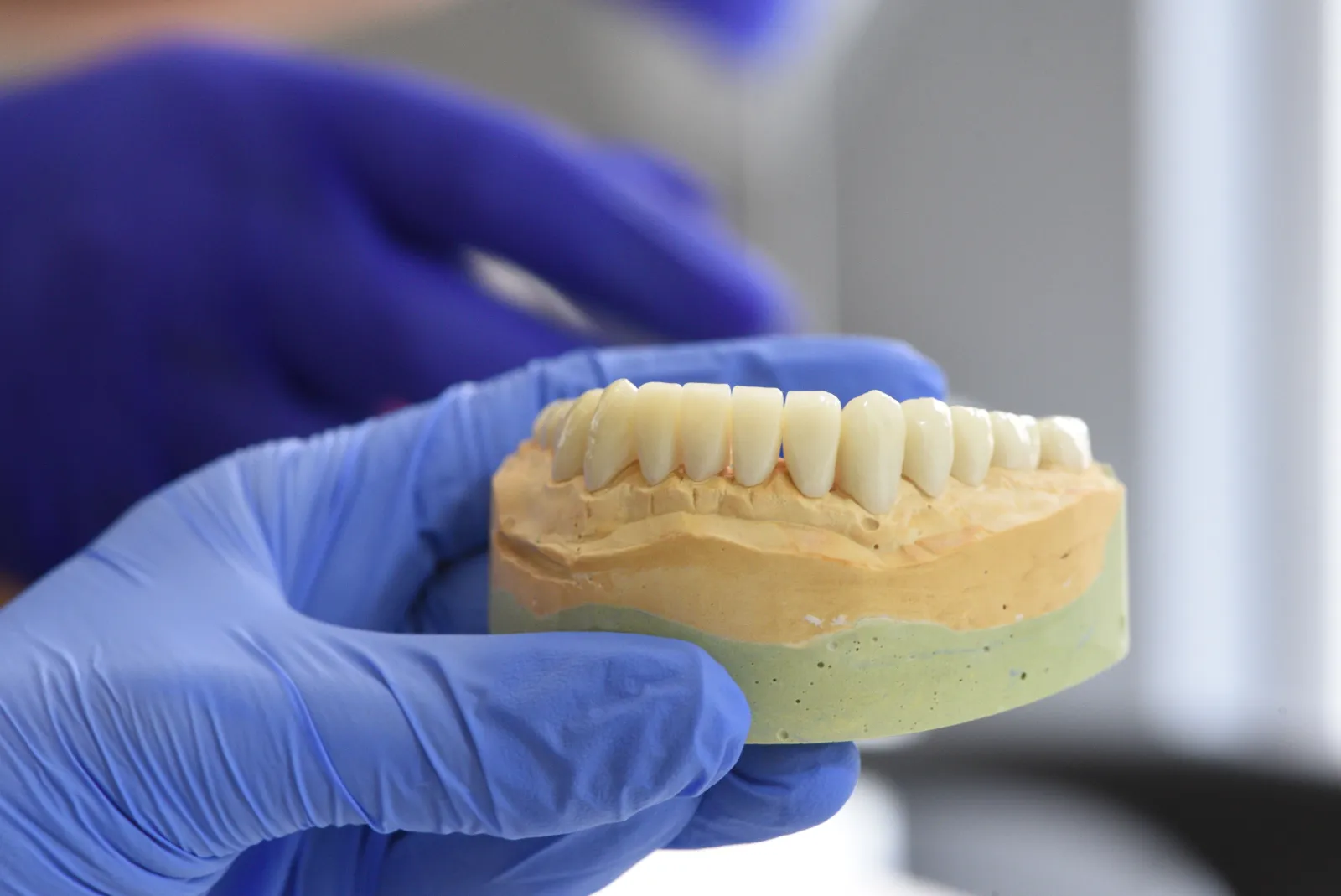
Do Veneers Ruin Your Natural Teeth?
No, but porcelain veneers are a real commitment. Most need a thin layer of enamel removed, and enamel does not grow back, so that tooth will always need a covering. Whether the preparation stays in enamel changes how well the veneer holds.
Read more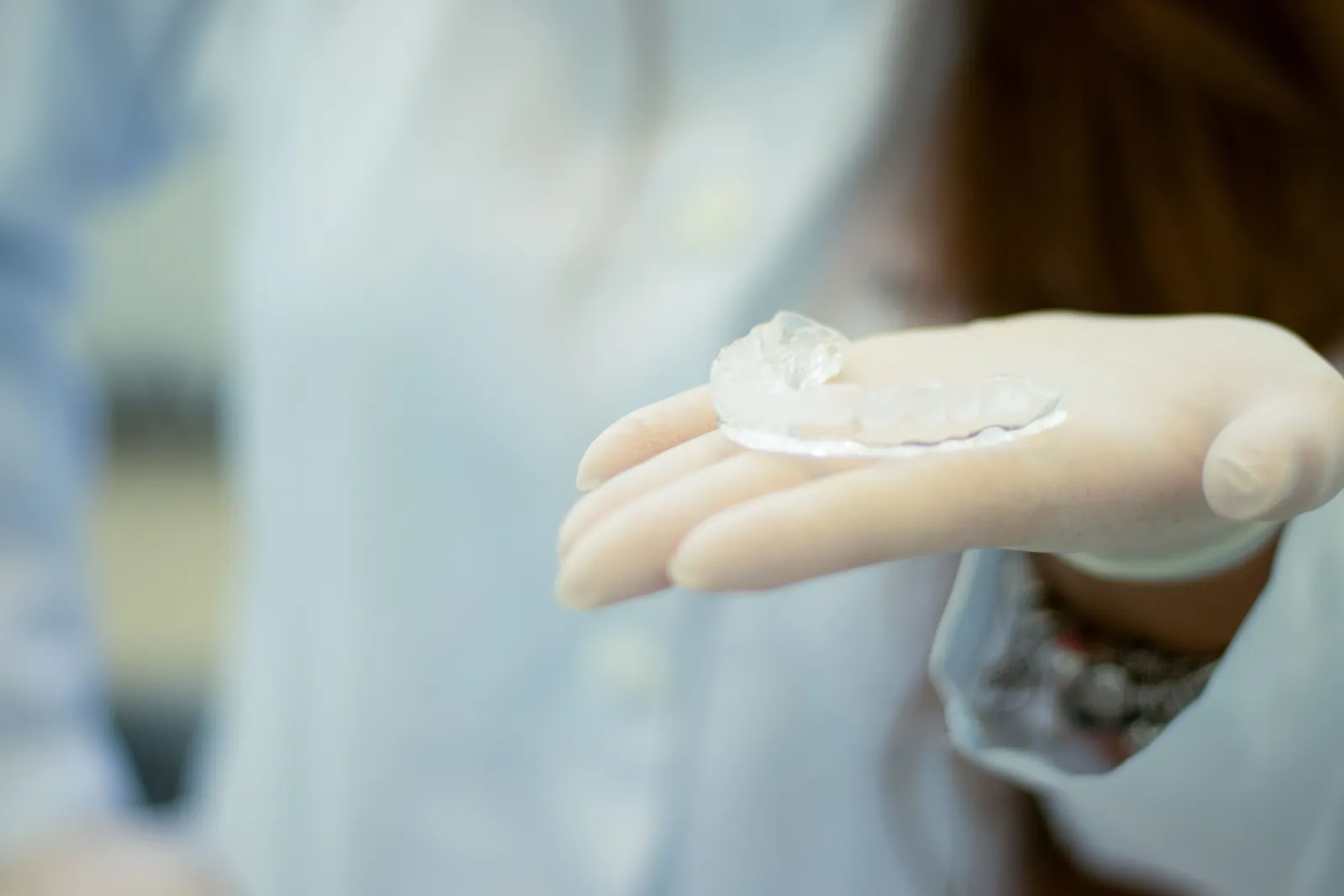
Custom Night Guard or Drugstore Guard: What the Difference Is Worth
A boil-and-bite guard is soft and only roughly shaped to your teeth, so it can shift and, in some people, make the jaw muscles work harder. A custom guard can be made hard and fitted to your bite, which spreads the force of grinding evenly and keeps the guard in place.
Read more
Why Dentures Get Loose Over Time, and What Actually Fixes It
Dentures get loose because the jawbone under them keeps shrinking once the tooth roots are gone, while the denture stays the same shape. A reline or a new denture refits it to the bone you have now; implants put load back into the bone and hold the denture in place.
Read more