You open wide to yawn or bite into a sandwich, and your jaw pops. Maybe it happens on one side only, or maybe you only noticed it last week and now hear it every time. The first question is almost always the same: is something wrong with my jaw?
For most people with jaw clicking, the answer is no. The National Institute of Dental and Craniofacial Research (NIDCR) agrees. Its page on jaw disorders says clicking or popping in the jaw joints, without pain, is common, is considered normal, and does not require treatment. This post explains what makes the sound, which changes turn a harmless click into one worth checking, and what an exam looks at.
What is actually making my jaw click?
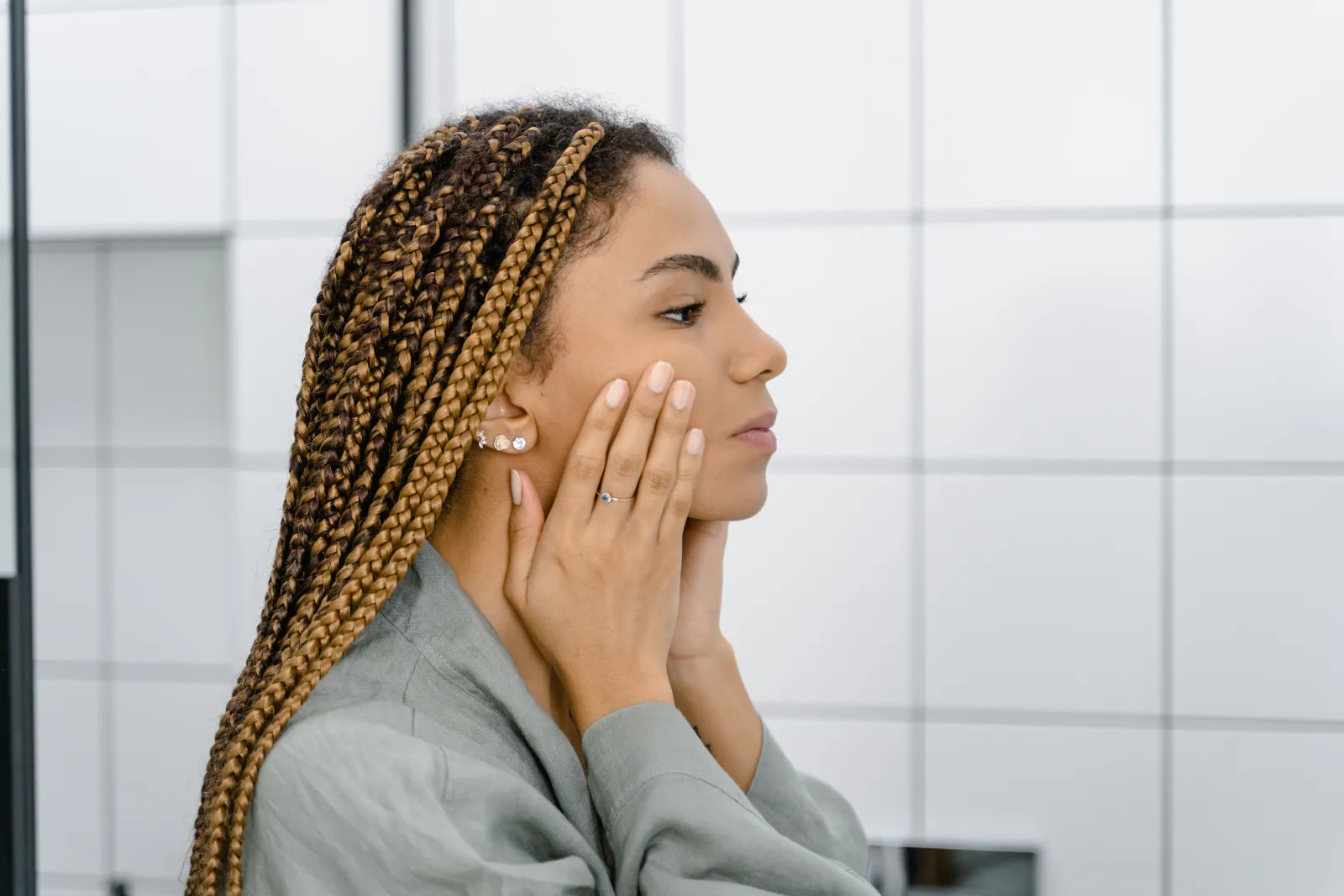
You have a jaw joint on each side of your face, just in front of your ears. You can feel them by placing your fingers there and opening your mouth. The rounded end of your lower jawbone sits in a socket in the skull. Between the two sits a small oval disc of cartilage, which works like a cushion so bone never grinds on bone.
In many people that disc rests slightly forward of its usual spot when the mouth is closed. When you open, the end of the jawbone slides forward and has to climb back onto the disc. It goes over the edge of the disc with a snap, and that snap is the click.
Sometimes there is a second click as you close. The disc slips forward off the bone again, which is why some people hear a pop going down and another coming back up. A 2019 review in the Journal of Applied Oral Science describes this movement of the disc onto and off the bone. It names that movement as the source of the clicking, snapping or popping sound.
The sound is purely mechanical, because a click is one part moving past another, the way a drawer sticks and then releases.
Is a jaw click that does not hurt harmless?
Mostly yes. The same review cites research finding this disc position in about 33% of people who have no symptoms at all. A trait that a third of symptom-free people carry is hard to call a disease.
The joint also adapts to the displaced disc. The review's authors write that this click is usually without symptoms and needs no treatment, because the joint structures adapt very well and without pain. They also summarise a longer follow-up study of 155 joints that were either normal or clicking and got no treatment. 137 of them, or 88.4%, had no change in diagnosis 7.9 years later, on average.
So a click with no pain that has been there for years is not a countdown. It is a joint that has settled into a slightly different way of moving.
When does a jaw click become a problem?
The click itself is not the warning, but what changes around it can be, so watch for these:
-
Pain in the jaw joint or the chewing muscles. The NIDCR lists painful clicking, popping or grating as a symptom of a jaw disorder. It calls pain in the muscles or joint the most common one.
-
Locking. The jaw catches, will not open all the way, or stays stuck open or closed. The NIDCR lists limited movement or locking of the jaw.
-
A mouth that opens less than it used to. Yawning, biting an apple or opening for a dental visit feels tighter than it did before.
-
A change in how your teeth meet. The NIDCR lists this as a symptom too.
-
A new sound after a blow to the jaw or a fall. No source we cite covers this one, so take it as plain advice: if your jaw sounds different after an injury, have it looked at.
-
A grating or grinding sound rather than a click. The NIDCR lists painful grating along with painful clicking and popping.
Locking matters because of what the disc can do next. The review describes a later stage in which the disc no longer returns onto the bone as the mouth opens, called disc displacement without reduction. Locking is the symptom that goes with it.
That is the next step along from a click, and the review says it is not the usual path. It summarises a study of 92 clicking joints, in patients averaging about 21 years old, followed for about nine months without treatment. Only 6 of them, or 6.5%, moved on to that stage.
For the full list of jaw pain symptoms and when to come in, see our post on TMJ and jaw pain. This post is about the sound, and that one is about the pain.
What does an exam for a clicking jaw look at?
An exam answers one question: is this a joint that makes noise, or a joint that is in trouble?
The NIDCR says your doctor or dentist asks about your symptoms and takes a detailed history. At Front Royal Dental Group, Dr. Mohamed Elgazzar leads TMJ care. He did post-graduate work at the Dawson Academy in TMJ therapy. Our TMJ page says that training covers how the teeth, jaw joints and muscles work together, including bite mechanics and muscle tension. He is a general dentist with that training, not a specialist.
The NIDCR says doctors may also recommend imaging tests such as an X-ray, MRI or CT scan. Whether you need one depends on what the history and exam find.
What happens if the exam finds a problem?
For a click with no pain and a normal range of motion, the honest finding is usually that nothing needs doing. That matches the NIDCR position quoted earlier in this post.
When pain, locking or a limited opening is present, our TMJ treatment page lists the options. They are an occlusal splint, a bite adjustment or muscle therapy, chosen by what the exam finds. When a case needs more than that, we refer to an oral surgeon or specialist.
Here is what a splint does and does not do. The NIDCR describes these devices as fitting over the teeth to protect them and help with habits like jaw clenching. It says they do not change the teeth or the bite. If you clench or grind at night, that is its own question, and our post on custom night guards versus store-bought ones covers it. Our night guard page describes that service.
What should I do next?
If your jaw clicks and nothing else is wrong, you can leave it alone. If you notice pain, locking, a smaller opening, a shift in your bite, or a sound that began after an injury, have it checked. You decide whether to come in, and you decide with the facts in hand.
Ready to get started? Schedule a visit with Front Royal Dental Group, or call (540) 636-2003.
More from Our Blog
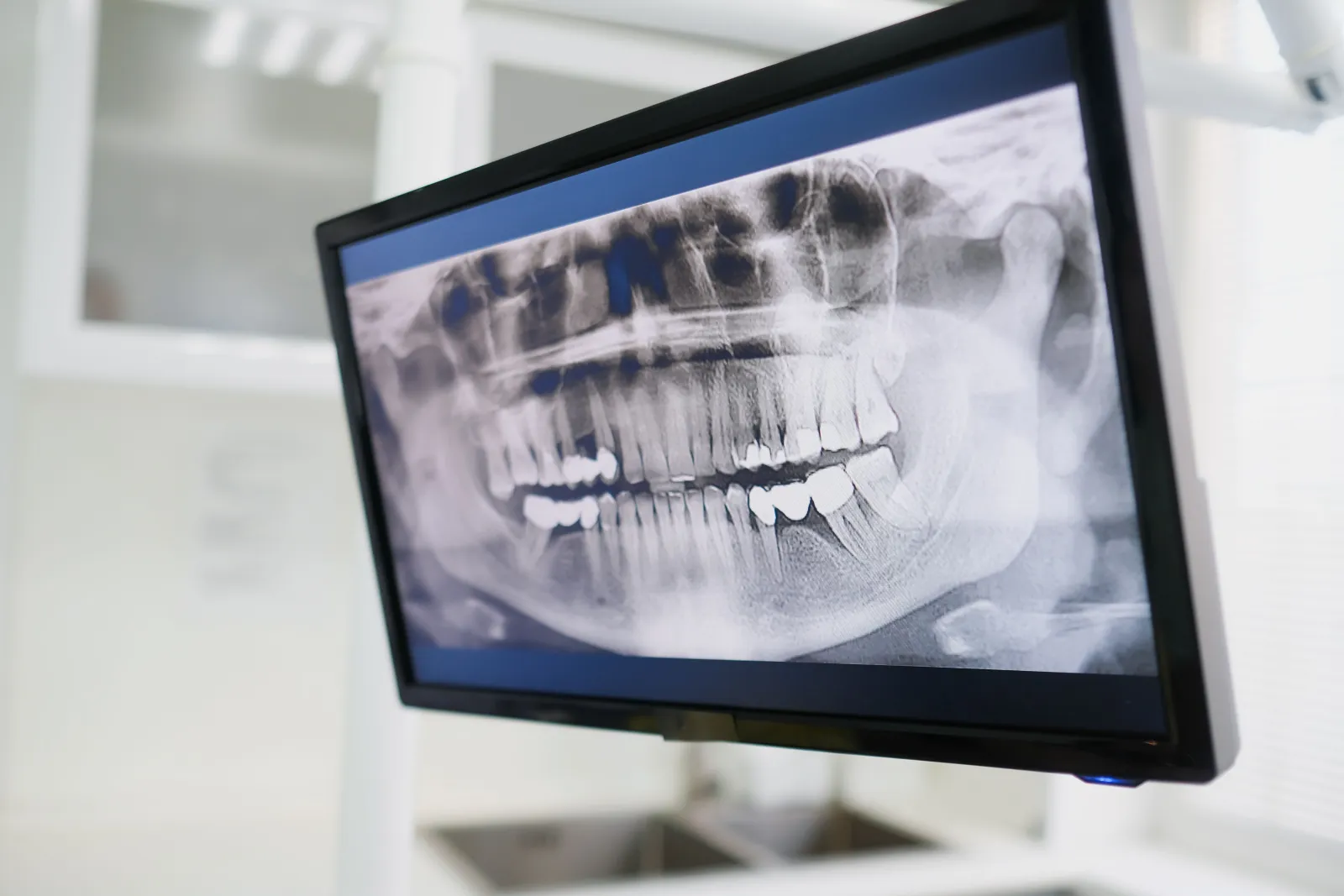
Dental X-Rays: How Much Radiation, and How Often Do You Need Them?
Four bitewings measured 5 microsieverts in one lab study, about half a day of natural background radiation. How often you need them depends on your cavity risk, from every 6 to 18 months down to every 24 to 36.
Read more
Full Mouth Dental Implants: What 'Full Mouth' Actually Means
Full mouth dental implants rarely means one implant for every tooth. The phrase covers four different designs, and what holds the teeth in each one decides how many implants you need.
Read more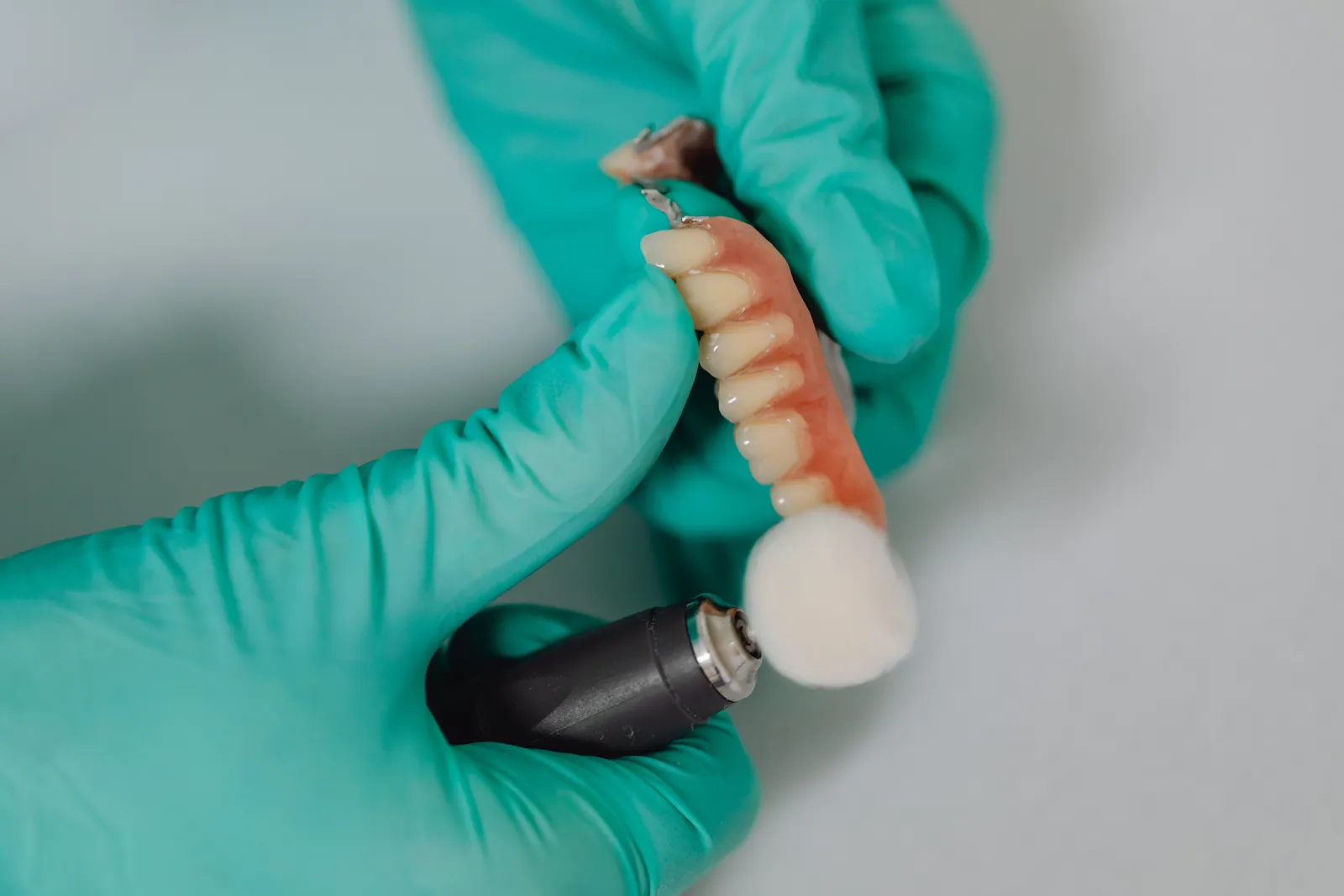
Replacing One Missing Tooth: Every Option and What Drives Its Cost
A removable partial denture usually costs least up front, a bridge sits in the middle and an implant costs most. The price follows what each option asks of the teeth beside the gap and of the bone, and what it takes to redo it.
Read more