Pediatric Dentistry in Front Royal VA: Caring for Your Child's Smile
When your child sits in the dental chair for the first time, what they remember most isn't the cleaning or the toothbrush they take home. It's how they felt. That's the heart of pediatric dentistry in Front Royal, VA — making sure your child walks out feeling safe, listened to, and maybe even a little proud of themselves.
I've seen kids come in nervous and leave asking when they get to come back. When a child feels comfortable here, they grow up seeing the dentist as a friendly place, not a scary one. And that early comfort tends to stay with them for life.
Why Early Dental Visits Matter
A lot of parents ask me when a child should first see a dentist. The American Dental Association and the American Academy of Pediatric Dentistry both recommend a first visit within six months of the first tooth appearing, and no later than the first birthday. Those earliest years are best handled by a pediatric dentist, who trains specifically for infants and toddlers.
Our office starts seeing children at age 8. If your child is younger than that, call us anyway — we can point you toward a pediatric practice in the area, and we'll be here when your child is ready to join the rest of the family at our office.
A first visit with us isn't about long procedures. It's about getting your child comfortable with the office, checking that the adult teeth are coming in the way they should, and giving you a chance to ask questions. Many parents want to talk about loose teeth, sealants, or what foods help protect young teeth, and we're always happy to talk through those.
Regular visits from age 8 on also help us spot small things before they become bigger ones. Catching a cavity or a spacing concern when it's tiny usually means a simpler, gentler fix down the road.
Making the Visit Comfortable for Your Child
Kids pick up on how the adults around them feel. So one of the first things we do is keep the mood light and calm. We use simple words, show them the tools, and let them touch things if they're curious. When a child understands what's happening, a lot of the worry fades away.
I always let children know they're in control. If they need a break, we pause. If they want to hold a parent's hand or bring a favorite stuffed animal, that's welcome. Giving a child even a little sense of control often helps them relax more than anything else we do.
We also go at your child's pace, not the clock's. Some kids hop right in. Others need a few minutes to warm up. Wherever your child is starting from, that's okay with us.
What a Typical Visit Looks Like
For most young patients, a visit includes a gentle cleaning, a look at how the teeth and jaw are developing, and a friendly chat about brushing at home. We'll usually talk about flossing too, and which foods are kind to their teeth.
We keep things short and positive, especially for the youngest kids. The goal is for them to leave with a good memory, so the next visit feels easy.
Building Healthy Habits at Home
What happens between visits matters just as much as the appointment itself. Helping your child brush twice a day and showing them how to floss builds habits that protect their smile for years. Brushing together can turn it into something shared rather than a chore.
Diet plays a role too. Sugary drinks and sticky snacks are tough on young teeth, so swapping in water and tooth-friendly snacks when you can makes a real difference. You don't have to be perfect about it — small, steady choices add up.
If you're not sure what's working, bring your questions to your child's next visit. There's no such thing as a silly question when it comes to your child's health, and we'd rather you ask than wonder.
When to Bring Your Child In Sooner
Some situations call for a quicker visit. If your child has a toothache, a chipped tooth from a fall, or swelling, it's worth reaching out. Kids are active, and accidents happen — that's just part of childhood.
If something happens outside our office hours, our emergency dental page walks through what to do while you wait. We're open Monday through Friday, 9:00 AM to 5:00 PM, with Saturday by appointment, and a call when we open can ease your mind and help you know what comes next. If your child has trouble breathing or swallowing, facial trauma, or bleeding that won't stop, go to the nearest emergency room or call 911.
Frequently Asked Questions
When should my child first see a dentist in Front Royal? Our office starts seeing children at age 8. For the years before that, the ADA and the American Academy of Pediatric Dentistry recommend a first visit by the first birthday, and a pediatric dentist is the right place for those early appointments. Once your child turns 8, we're glad to take it from there — visits here are short and friendly, and they help your child get familiar with the office before any real treatment is ever needed.
Are baby teeth really that important if they fall out anyway? Yes, more than many parents expect. Baby teeth hold space for the adult teeth coming in behind them, and they help your child chew and speak clearly. Keeping them healthy now often means a smoother path for the permanent teeth later.
How can I prepare my anxious child for a dental visit? Keep your own tone calm and positive, and avoid words like "hurt" or "shot." You can read a children's book about visiting the dentist, or simply tell them they'll get to meet a friendly team who will count their teeth. Letting them know they can ask us to pause anytime gives them a comforting sense of control.
What should I do if my child knocks out or chips a tooth? Stay calm and check whether it's a baby tooth or an adult tooth. For an adult tooth, gently rinse it, keep it moist, and call us right away. For any dental injury, a quick call helps us guide you on what to do next and how urgently your child needs to be seen.
Your child's comfort comes first here, and so does yours. If you have questions about your child's teeth or you'd like to set up that first visit, give us a call — even a quick question is welcome, and we'll take it from there together.
More from Our Blog
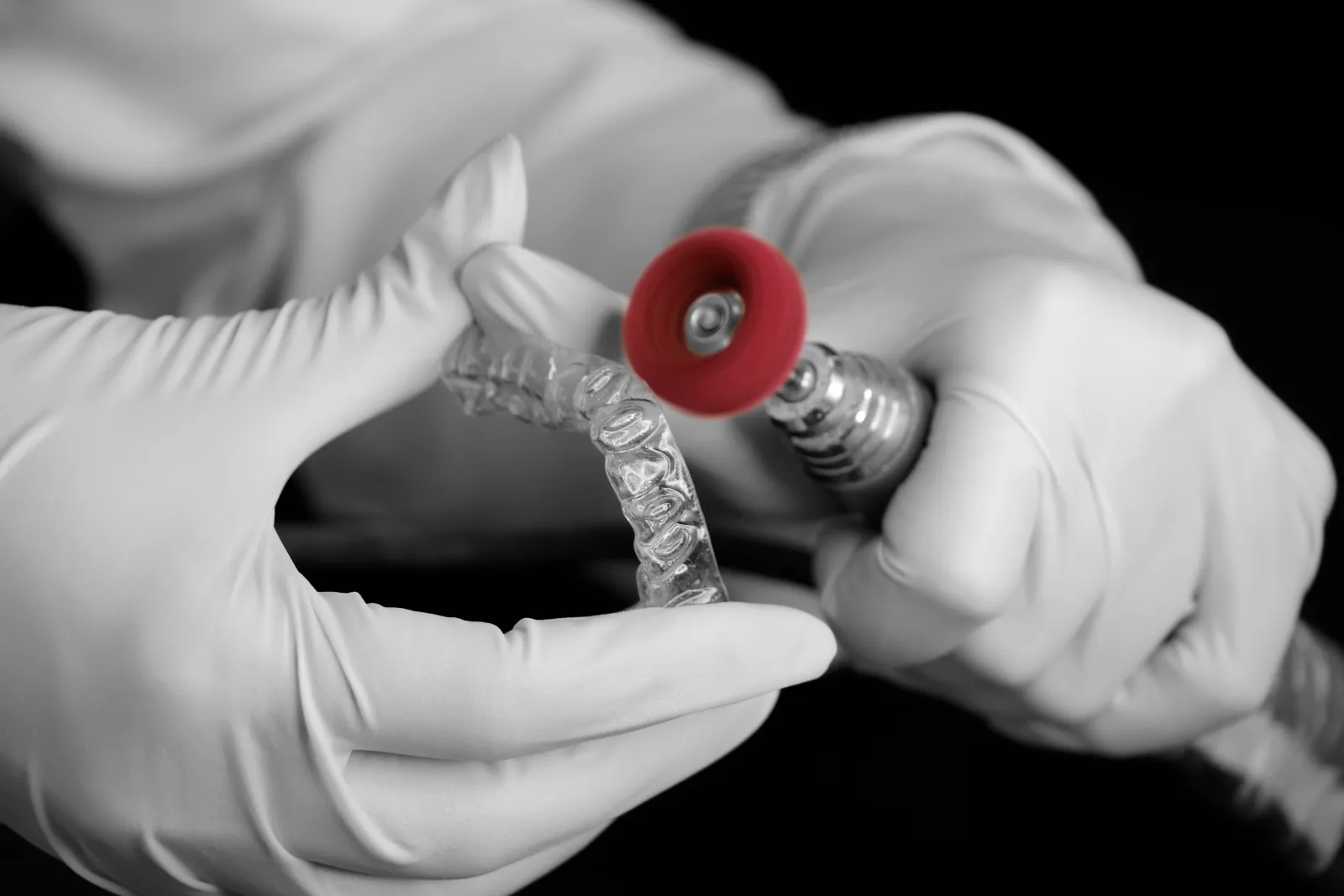
Your Teeth Moved After Braces. Can Clear Aligners Fix It?
Teeth shift after braces because the gum fibers around them pull back, the arch keeps shortening in adulthood, and retainers stop being worn. Clear aligners can move a mild shift back, and a long-term retainer is what stops it happening again.
Read more
Abscessed Tooth: What It Is and What to Do Today
An abscessed tooth is a pocket of pus at the tip of a root, sealed inside bone. It will not clear on its own, antibiotics alone leave the source in place, and a few signs mean the emergency room today.
Read more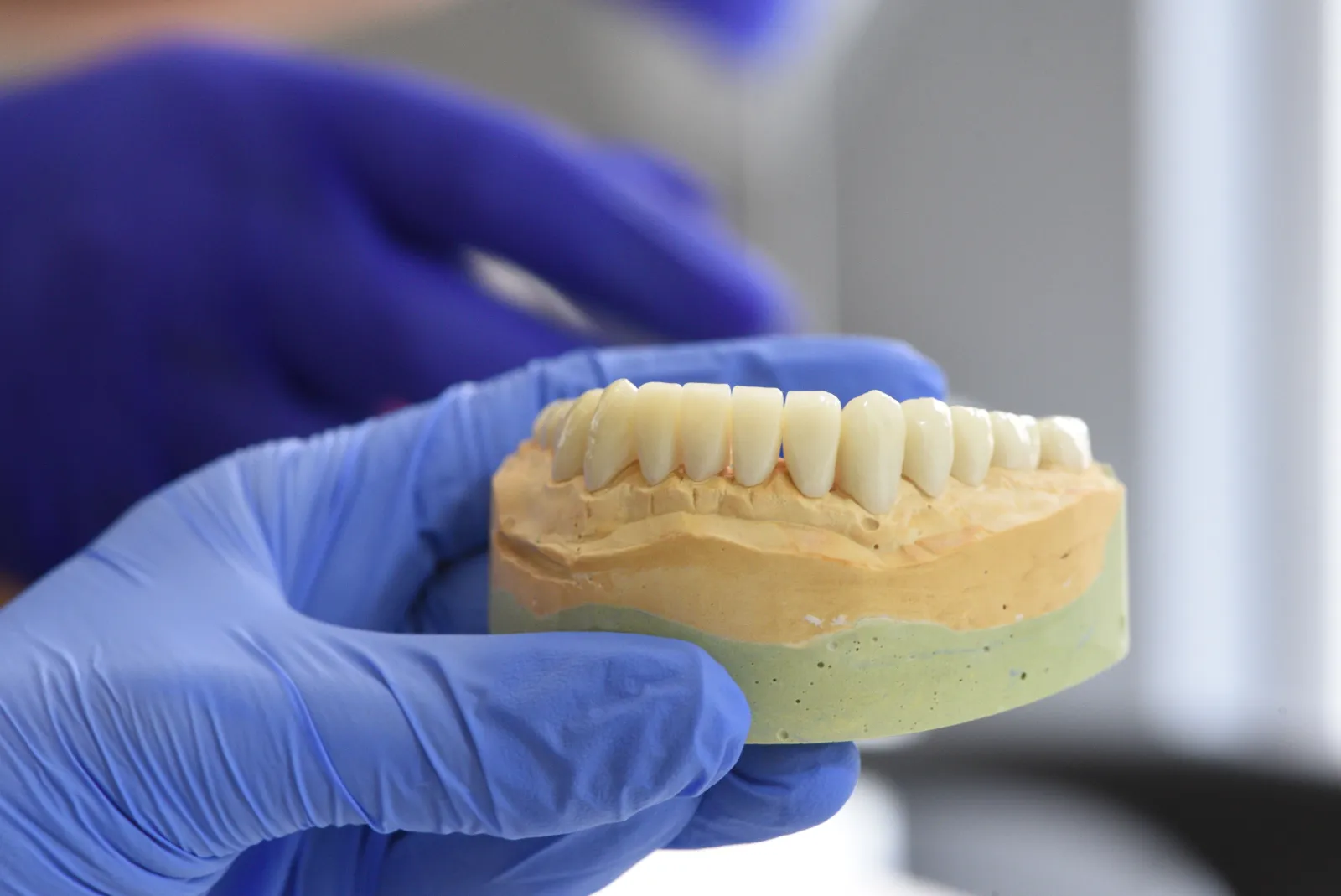
Do Veneers Ruin Your Natural Teeth?
No, but porcelain veneers are a real commitment. Most need a thin layer of enamel removed, and enamel does not grow back, so that tooth will always need a covering. Whether the preparation stays in enamel changes how well the veneer holds.
Read more