Dental Implants in Front Royal: What You Should Know
By Dr. Ezzat Abdoun, Front Royal Dental Group
If you've lost a tooth — or more than one — you probably have a lot of questions. Maybe you've heard about dental implants but weren't sure if they were right for you. Maybe someone told you in the past that you weren't a candidate. Whatever your situation, I want you to know: you're not alone, and there are more options today than there used to be. Let me walk you through what dental implants are, how the process works, and what to expect — in plain language, no pressure.
What Is a Dental Implant, Exactly?
A dental implant is a small titanium post that gets placed into your jawbone, acting like an artificial tooth root. Once it heals and bonds with the bone, a custom crown is attached on top — and it looks and functions very much like a natural tooth.
What makes implants different from bridges or dentures is that they're anchored directly into the jaw. That means they don't shift around, and they don't rely on neighboring teeth for support. For many patients, that stability makes a real difference in how comfortable and confident they feel day to day.
Why Replacing a Missing Tooth Matters
It's easy to think a missing tooth is mostly a cosmetic issue. But over time, the jawbone underneath a missing tooth can begin to shrink — a process called bone resorption. Implants are rooted in the jawbone like a natural tooth root, which helps preserve that bone in a way that removable dentures typically cannot.
Beyond the bone, missing teeth can affect how you chew, how you speak, and how you feel about your smile. Many patients tell us they held back from laughing or eating certain foods for years. Taking care of a missing tooth — at whatever pace works for you — can often improve more than just your mouth.
Ready to get started? Schedule a visit with Front Royal Dental Group.
Types of Implant Solutions We Offer
Not every situation calls for the same solution. Here's a simple breakdown:
Single Implant
If you're missing one tooth, a single implant with a crown is typically the most natural-looking option. It stands on its own without affecting the teeth around it.
Implant-Supported Bridge
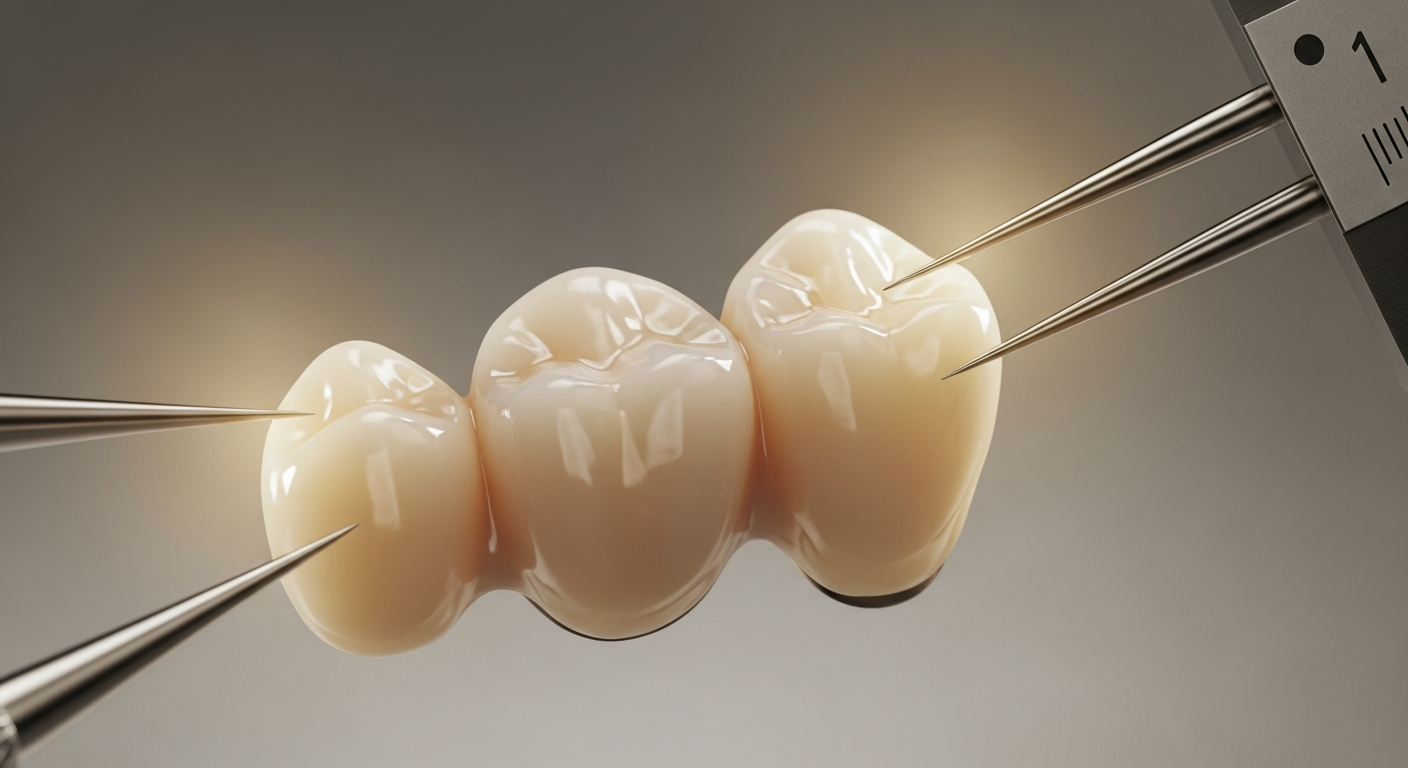
If you're missing several teeth in a row, a bridge supported by two or more implants can restore that section without individual posts for every tooth.
Full-Arch Restoration (All-on-4®)
For patients who've lost most or all of their teeth in an arch, full-arch solutions like All-on-4® can restore an entire upper or lower set using as few as four implants. This gives you a fixed, stable result — no slipping, no adhesives. The prosthetic survival rate for this approach is very high in clinical studies, and many patients find it life-changing.
How the Process Works, Step by Step
I know the idea of implant surgery can feel like a lot. But when we break it down, each step is very manageable. Treatment timelines vary based on individual needs and clinical factors.
- Consultation — We take X-rays and often a 3D scan to look at your bone and map out a plan that's right for you.
- Implant Placement — A minor surgical procedure places the titanium post into the jawbone. We focus on keeping you comfortable throughout.
- Healing (Osseointegration) — Over the next 3 to 6 months, your jaw naturally bonds with the implant. This is what gives it long-lasting stability.
- Abutment and Crown — Once healed, we attach a small connector and your custom crown. At that point, it looks and feels like a natural tooth.
Are You a Good Candidate?
Most healthy adults are good candidates for implants. What we look for is healthy gums, enough jawbone to support the post, and overall medical stability. If you smoke or have conditions like uncontrolled diabetes, healing can be affected — but that doesn't automatically rule you out. We look at the whole picture.
If you've been told before that you don't have enough bone, it's worth asking again. Bone grafting and newer techniques have opened up options for many patients who were told "no" years ago. My colleague Dr. Elgazzar, who has advanced training in implant placement, works closely with patients who have more complex needs — and he takes a very thorough, careful approach.
What to Expect Long-Term
Dental implants are one of the most clinically studied procedures in modern dentistry, with long-term research showing very high success rates when placed by an experienced provider and maintained with good oral hygiene. Studies have followed implants for decades with strong results.
That said, individual results vary, and how you care for your implant matters. Brushing, flossing, and keeping up with regular visits goes a long way in protecting the work you've paid for.
Frequently Asked Questions
Does getting a dental implant hurt? Most patients are surprised by how manageable the procedure feels. We use local anesthesia and take a comfort-focused approach throughout. Some soreness in the days after is normal, and it typically responds well to over-the-counter pain relief. Every patient is different, but many tell us it was easier than they expected.
How long do dental implants last? With proper care, implants are designed to be a long-lasting solution — many have been studied over decades with strong outcomes. How long yours lasts can depend on your oral hygiene habits, overall health, and regular dental visits. Individual results vary.
What if I don't have enough bone for an implant? This is a common concern, and it doesn't always mean implants aren't an option. Bone grafting can often help rebuild the area needed to support an implant. During your consultation, we'll take a close look and let you know what's possible for your specific situation.
How much do dental implants cost in Front Royal? There's no single answer — it depends on how many teeth are being replaced, whether grafting is needed, and other factors. Here's how you'd find out: after the exam and imaging, we write out an estimate for your case with the numbers on it, and we separate what your plan is expected to cover from what you'd pay. Nothing gets scheduled before you've read it, and if the full plan isn't right for now, treatment can usually be phased.
Whether you're just starting to explore your options or you've been thinking about this for a while, we're here to help you figure out what makes sense for you — no pressure, no rush. If you have questions, feel free to reach out to us at Front Royal Dental Group. We'll take it one step at a time, together.
Have questions? Call us at (540) 636-2003.
See also:
More from Our Blog

Is Fluoride Bad for You? What the Dose Actually Decides
Fluoride's harms show up at doses well above the 0.7 mg/L recommended for US tap water. Here are the numbers, what each one protects against, and what is still unsettled.
Read more
How Much Does All-on-4 Cost? What 'Per Arch' Means on Your Quote
An All-on-4 quote prices one jaw as one custom-built unit. What it costs depends on the lines inside: the implants, the 3D scan and surgical guide, extractions and grafting, the provisional teeth, and the bridge material.
Read more
Choosing a Dentist When You Live in Shenandoah
When your dentist is a drive away, the practical question is not distance. It is how many trips your care will take. Here is how to plan treatment so the drive is worth it.
Read more